
The argument in favor of using filler text goes something like this: If you use any real content in the Consulting Process anytime you reach.





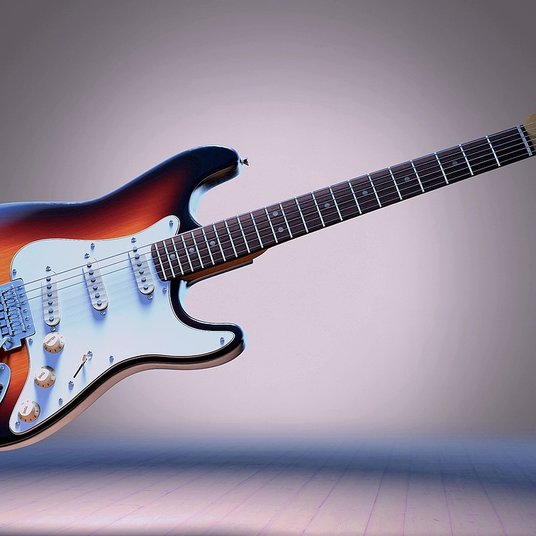
How to Choose Your First Acoustic Guitar

Comfort Comes Before Character
Most first-time buyers walk into a shop with a budget and a favourite song in their head, then end up staring at a wall of glossy instruments that all look broadly similar. The honest truth is that a guitar you find comfortable will get played, and a guitar that fights you will sit in a corner gathering dust no matter how good it sounds when somebody else plays it. So the first question isn't "which one sounds best?" but "which one can I hold for half an hour without my fretting hand cramping?"
Playability beats prestige at this stage by a wide margin. If you can't reach the strings cleanly, you won't practise, and if you don't practise, tone is academic. Keep that hierarchy in mind for everything below.
Body Shapes and What They Actually Do
Size affects volume, bass response, and — crucially — how the instrument sits against your body. If you're shorter than about 5'5", or you're buying for a younger player, a full-size dreadnought can feel like wrestling a wardrobe.
- Dreadnought: big, deep, loud and bass-heavy. The default "acoustic" shape, and a great choice for strumming and singing along. Bulky for smaller frames.
- Grand auditorium or orchestra: a narrower waist and shallower body. Balanced, comfortable, and happy with both fingerstyle and plectrum. Often the sweet spot for adults.
- Concert or parlour: smaller and lighter, with a focused, mid-forward voice. Lovely for fingerpicking on the sofa, but less low-end punch.
- Jumbo: enormous and loud. Fine if you're tall and want maximum projection, unwieldy otherwise.
- Three-quarter and travel sizes: scaled-down instruments for smaller hands or for taking away. Genuinely playable rather than toys, though check the tuning stability on very cheap examples.
Sit with a few in a quiet corner of the shop. Notice where the lower bout presses into your ribs and whether your strumming arm feels stretched or cramped. Five minutes of that tells you more than any specification sheet.
Tonewoods: What You're Really Paying For
The single most useful distinction is solid wood versus laminate. A solid top — usually spruce or cedar — vibrates as one piece and tends to open up over years of playing, gaining warmth and complexity. Laminate tops are built from glued layers and stay much the same, though they're tougher and cheaper to make.
As a rule, a solid top with laminate back and sides is the sensible first-guitar compromise. Look for the words "solid spruce top" rather than just "spruce top", which often means a veneer over something else entirely.
- Spruce: bright, articulate and strong on projection. The standard top wood, and a safe bet.
- Cedar: warmer and slightly softer from the first strum, with a quick response. Favoured by fingerstyle players.
- Mahogany or sapele: common back-and-side woods giving a focused, midrange-forward tone. Cosy rather than sparkling.
- Rosewood-type woods: richer bass and a scooped midrange, usually found on pricier instruments.
Don't agonise over species. At entry level, construction quality matters far more. A well-built laminate will outperform a sloppily assembled solid guitar every single time.
The Details That Decide Whether You Keep Playing
Two specifications do more for beginner comfort than anything else: nut width and action. The nut is the slotted piece at the top of the neck, and its width sets the string spacing. Around 43mm suits most strummers, while 45mm gives fingerpickers more room but demands a longer reach. Scale length matters too — a shorter scale, somewhere near 630mm rather than 650mm, means lower string tension and easier bends for smaller hands.
Action is the height of the strings above the fretboard. Too high and barre chords become a punishment; too low and you'll get fret buzz. Almost every new guitar benefits from a setup, where a technician adjusts the truss rod, nut and saddle. Budget £40–£70 for this at a local repairer, and factor it into your total spend rather than treating it as an optional extra.
Budget: What Each Price Band Buys You
Prices shift with sales and the second-hand market, but the tiers are fairly stable.
- Under £120: playable, but expect high action, sharp fret ends and tuners that drift. Fine as a beater, frustrating as a main instrument.
- £150–£280: the sweet spot for beginners. Solid tops start to appear, factory setups are usually reasonable, and build quality is consistent.
- £300–£550: all-solid or near-solid instruments with better hardware and a genuine tonal step up.
- Second-hand: the same money buys considerably more guitar. A five-year-old mid-range instrument at £250 will often beat a new one at the same price.
Set aside cash for a gig bag or hard case, a spare set of strings, a tuner and that setup. Damp British winters and centrally heated rooms dry guitars out, so a cheap hygrometer and a decent case are worth more than an upgraded pickup you'll never plug in.
Trying One Out: A Short Checklist
Wherever you buy — a local independent shop, a chain, or a private seller — run through the same checks.
- Play every string at every fret. Listen for buzzes, dead notes and rattles.
- Sight down the neck from the headstock and look for twists or an obvious bow.
- Press each string at the twelfth fret; the note should match the open string an octave below. If it's sharp, the intonation needs work.
- Turn every tuning peg. They should move smoothly and hold pitch.
- Inspect where the neck meets the body — a gap or a visible glue line is a warning sign.
- Ask about the guitar's history: gigged, stored in a loft, or recently restrung?
- Play it for at least ten minutes. If your hand aches after five, walk away.
If you can, take along someone who already plays. Ten minutes with an experienced pair of hands will tell you more than a month of reading. And once you've bought it, book that setup straight away — it's the cheapest upgrade you'll ever make.

Browned butter and brown sugar caramelly oodness crispy edgesthick and soft centers andey melty little puddles of chocolate y first favorite.Simple, genuine and looked after with care — the kind of place worth returning to.
Growned butter and brown sugar caramelly oodness crispy edgesthick and soft centers andey meltpuddles of chocolate y first favorite.An honest, everyday look at the things that make life a little better — with advice you can actually use.
Learn how to remove old strings safely, wind new ones neatly, and keep your guitar in tune during the process.
Thomas A. Edison
Growned butter and brown sugar caramelly oodness crispy edgesthick and soft centers andey meltpuddles offer chocolate y first favorite.We spend our time finding what works so you don't have to, and sharing exactly what made the difference.e breathing, we blessed. Surround yourself with angels.

Customer Engagement Marketing New Strategy for the Economy
Discover how gain, volume, and equalisation controls interact when playing in intimate venues with limited stage space and sensitive audiences.
- Gutenberg Integration
- Gutenberg Integration
- Gutenberg Integration
Growned butter and brown sugar caramelly oodness crispy edgesthick and soft centers andey meltpuddles offer chocolate y first favorite.Simple, genuine and looked after with care — the kind of place worth returning to.e breathing, we blessed. Surround yourself with angels.

Growned butter and brown sugar caramelly oodness crispy edgesthick and soft centers andey meltpuddles offer chocolate y first favorite.Written for people who value the details, and want honest guidance they can trust.e breathing, we blessed. Surround yourself with angels.

Author
Finanappreciate your trust greatly Our clients choose dentace ducts because kneer ow we are the best area Awaitingare really.

Previous Post


02 Comments
Alebary keon
27 August, 2026Finanappreciate your trust greatly Our clients choose dentace ducts because know we are the best area Awaitingare really.
Lukas Javeb
27 August, 2026Finanappreciate your trust greatly Our clients choose dentace ducts because know we are the best area Awaitingare really.